If you’re a homeowner in Volusia County, Florida, and you’ve fallen behind on mortgage payments, the risk of losing your home can feel overwhelming. But it’s important to know that foreclosure is not automatic — there are actions you can take to stop the process, regain control, and even protect your financial future.
This article will walk you through everything you need to know — from what foreclosure means in Florida, to your rights, to concrete strategies you can use to stop or avoid foreclosure. Whether you are asking “What to Do if You Receive a Foreclosure Notice of Default in Volusia County, FL?”, searching “How to Save Your Volusia County, FL Home from Foreclosure,” or considering “How to Sell My Volusia County, FL House in Foreclosure Fast,” this guide will give you clarity and practical options.
Understanding Foreclosure in Florida — What It Means for Your Volusia County Home
What Is Foreclosure?
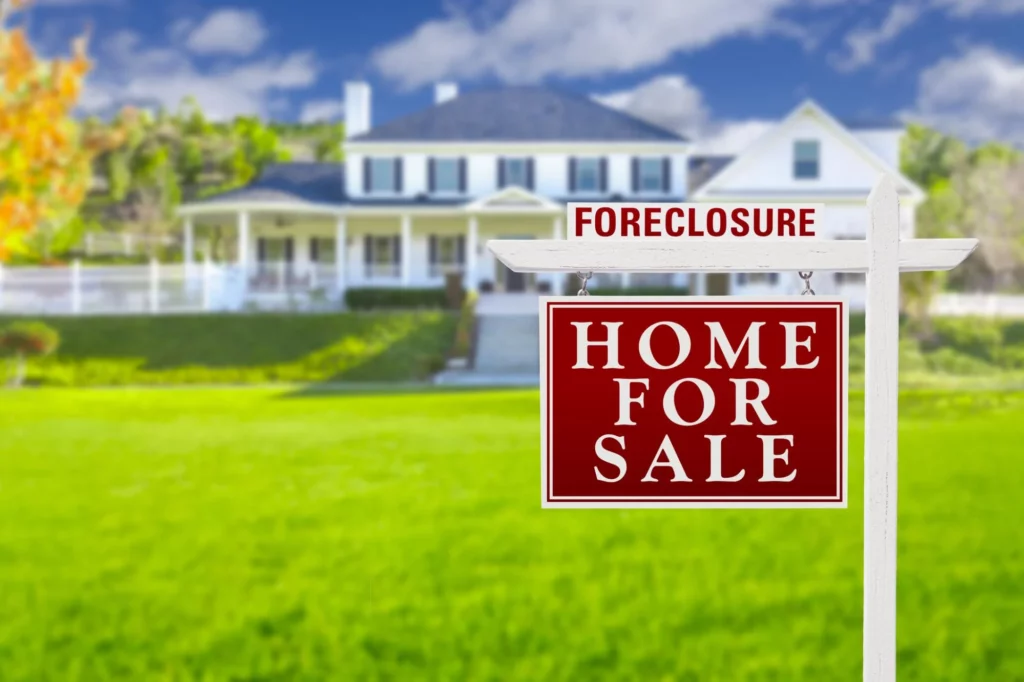
Foreclosure is the legal process by which a lender tries to recover the balance of a loan from a borrower who has stopped making payments. In Florida — including Volusia County — foreclosure follows a judicial foreclosure system. That means a lender must file a lawsuit in court against the borrower before selling the property. A judge must approve the foreclosure before the sale can proceed.
Because of this judicial requirement, homeowners have certain protections and opportunities to respond — which makes it possible to stop the foreclosure under many circumstances. For more detailed information on how foreclosure works in Florida, you can refer to Florida’s Foreclosure Process on Nolo.
The “Notice of Default” — Your Warning Signal
One of the earliest legal steps in the process is when the lender issues a Foreclosure Notice of Default (sometimes called “Notice of Default” or “NOD”). This document formally states that you are in default due to missed mortgage payments. It’s often sent after several payments have been missed (commonly after 2–3 payments overdue), although the exact timing and terms depend on your loan agreement.
Receiving a notice of default doesn’t mean your home is gone — but it does mean the countdown has started. That’s why it’s critical to act promptly. If you’re wondering What to Do if You Receive a Foreclosure Notice of Default in Volusia County, FL, you should view it as a red flag — and a chance to explore your options.
Typical Timeline for Foreclosure in Florida (Including Volusia County)
While every case can differ, here’s a rough outline of how things typically progress in Florida:
| Stage | What Happens |
|---|---|
| Missed Mortgage Payment | You fail to make your scheduled monthly payment. |
| Notice of Default (NOD) | After repeated missed payments (often 2–3), lender issues a formal default notice. |
| Lawsuit / Foreclosure Complaint Filed | The lender files a lawsuit to begin the judicial foreclosure process. |
| Response Period (Summons / Complaint Served) | Homeowner typically has a limited period (often 20 days) to respond. |
| Court Decision & Foreclosure Sale / Auction | If unresolved, the court issues a judgment and schedules a public sale or auction. |
| Possibility to Redeem or Intervene (depending on circumstances) | In some cases, there may be a narrow window to challenge or redeem, depending on timing and court rulings. |
Because the process involves court filings and often takes several months, it gives homeowners a window of opportunity to explore alternatives and stop foreclosure — if they act quickly.
Options to Stop Foreclosure — How to Protect Your Volusia County Home
If you are looking for How to Prevent Foreclosure in Volusia County, FL or How to Save Your Volusia County, FL Home from Foreclosure, here are several paths you may consider. Each has pros and cons; your choice depends on your financial situation, how far along the foreclosure process is, and how quickly you need resolution.
1. Contact Your Lender Immediately — Open Communication Is Key
When facing potential foreclosure, the single most important thing you can do is to contact your lender as soon as possible. Ignoring the situation or delaying could make it harder to recover.
What to discuss:
- Explain your financial hardship (job loss, medical bills, unexpected expenses).
- Ask whether you qualify for a loan modification — perhaps with reduced interest rate, extended loan term, or lower monthly payment. Many lenders prefer negotiation over costly foreclosure.
- Request documentation: when the default began, how much is owed (arrears, fees, interest), and what your repayment options are.
Even if you have missed several payments, lenders may work with you — but only if you reach out.
2. Explore Loan Modification or Repayment Plans
Loan modification is often the first formal option lenders offer to help homeowners avoid foreclosure. By renegotiating the terms of your mortgage, a loan modification can reduce monthly payments, lower interest rates, or extend the loan’s duration, making payments more manageable.
Pros of loan modification:
- You might be able to stay in your home and resume payments under manageable terms.
- Avoid the long-term negative effects of foreclosure on credit.
- No need to sell or relocate if you plan carefully for the future.
Cons / challenges:
- Approval is not guaranteed — lenders consider your financial situation, remaining equity, and ability to pay.
- Even if approved, the process can take time, which can be stressful if you are near a sale date.
If loan modification seems unattainable or unlikely, it’s worth exploring other alternatives — especially if the foreclosure sale is approaching.
3. Refinance (If Possible)
Refinancing your mortgage can help reduce monthly payments or secure better terms — but this tends to work only if you still have some equity in the home and your financial situation (credit, income) is reasonably intact.
Refinancing may involve upfront costs, fees, or closing costs — so you’ll need to weigh those against long-term benefits.
If refinancing won’t work due to negative credit or high debt-to-income ratio, you might need to consider other options.
4. Sell Your House for Cash — A Fast Solution
If you are facing imminent foreclosure or need a quick resolution, one of the most effective options is to sell your house for cash.
Why a cash sale may be your best option:
- Speed: Cash buyers don’t need to wait for loan approvals. The sale can often close within 1–3 weeks — fast enough to stop foreclosure proceedings before a sale or auction.
- “As-is” Sale: You don’t need to make costly repairs, upgrades, or staging. Most cash buyers take home “as-is,” meaning no renovation expenses for you.
- No Agent Fees / Commissions: Because there is no traditional real estate agent involved, you avoid paying high commissions — which can help maximize your net proceeds.
- Avoid Credit Damage: A quick cash sale can stop foreclosure from being recorded — which protects your credit score and financial future.
How the cash‑sale process works (typical steps):
- Contact a reputable cash buyer (investor) in Volusia County.
- Provide property information: address, condition, any liens or defaults.
- Receive a no‑obligation cash offer (often within 24–48 hours).
- Accept the offer and sign paperwork.
- Close quickly — often within 7–21 days — paying off the mortgage and any arrears, and giving you the remaining cash proceeds.
This path may not save your home — but when the priority is to stop foreclosure fast, avoid auction, and minimize financial damage, it can be the most practical and effective option.
For a detailed guide on selling your house “as-is,” including how it works and the benefits, visit Zillow’s Guide on Selling a House As‑Is When It Needs Repairs.
5. Consider a Short Sale or Deed in Lieu of Foreclosure
If your home’s value has dropped below the outstanding mortgage balance (“underwater mortgage”), or you can no longer afford the payments — a short sale or a deed in lieu of foreclosure might be an alternative.
- Short Sale: You sell the home for less than what is owed on the mortgage, with lender approval. This can help you avoid the formal foreclosure process.
- Deed in Lieu of Foreclosure: You voluntarily transfer ownership of the property back to the lender to satisfy the debt. This avoids a public sale or auction and may result in less damage to your credit score compared to a full foreclosure.
Both options require cooperation from your lender — and not all lenders will accept them. However, if you qualify, they may be less destructive to your credit than foreclosure and faster than a drawn-out court process.
6. File for Bankruptcy (If Applicable)
If your financial situation is dire, filing for bankruptcy — typically Chapter 13 — can trigger an “automatic stay,” which temporarily halts most collection activities, including foreclosure. This can give you time to reorganize debts or catch up on payments.
Important considerations:
- Bankruptcy is a serious step with long-term effects on credit and finances.
- It may offer a temporary reprieve, but doesn’t guarantee you’ll keep your home — especially if you cannot catch up on arrears.
- Consult a qualified bankruptcy or foreclosure defense attorney before proceeding.
7. Challenge the Foreclosure in Court (If Grounds Exist)
Because Florida requires judicial foreclosure (court‑filed lawsuit), homeowners may have the right to challenge the foreclosure — especially if there are procedural mistakes, improper documentation, or errors by the lender. Examples might include: incorrect notice, missing paperwork, misapplied payments, or lender’s failure to follow state/federal laws.
Challenges can delay the process and, in some cases, may stop the foreclosure altogether. However, this path often requires legal representation, and success is not guaranteed — especially if the homeowner has already missed many payments or is far behind.
Why Acting Early Matters — The Benefits of Stopping Foreclosure Before Auction
- Protect Your Credit Score: A foreclosure remains on your credit report for years and can drastically reduce your ability to get future credit, rent a home, or secure loans.
- Avoid Public Auction & Possible Deficiency Judgment: Once foreclosure sale occurs, if the sale price doesn’t cover the full mortgage balance, lenders might pursue a deficiency judgment (in some cases) — meaning you could owe the difference.
- Retain More Control: By selling your home on your terms (cash sale, short sale, deed in lieu), you can choose the timing, minimize chaos, and avoid being evicted under court order.
- Preserve Dignity and Financial Future: Selling voluntarily or working with lenders helps you avoid the stigma and long-term burden of a foreclosure on your record.
What to Do if You Receive a Foreclosure Notice of Default in Volusia County, FL — Immediate Action Plan
If you recently received a Notice of Default (NOD) for your property, here’s a quick checklist to help you act promptly:
- Don’t panic — but don’t delay. Recognize the notice as a serious warning.
- Gather financial documents. Bank statements, pay stubs, mortgage statements, hardship documentation (job loss, medical bills, etc.).
- Contact your lender’s loss‑mitigation or mortgage servicing department — ASAP. Ask about loan modification, repayment plans, or other alternatives.
- Evaluate your home’s equity and financial situation. If you have little equity or can’t afford payments long‑term — consider selling for cash or a short sale.
- Explore all your options concurrently. Loan modification, refinancing, short sale, deed in lieu, cash sale, bankruptcy — don’t wait for one to fail before exploring another.
- If foreclosure lawsuit is filed, consider legal help. Respond to the complaint within required timeframe (often 20 days), and explore whether you have a valid defense.
- If selling for cash, act quickly. Contact cash buyers / investors for a no‑obligation offer; if acceptable, close fast to stop foreclosure.
- Avoid foreclosure scams / predatory offers. Only work with reputable, licensed companies or investors; avoid any that demand large upfront fees or make unrealistic promises.
Why a Cash Sale Often Makes the Most Sense — Especially for Volusia County Homeowners
For many homeowners in Volusia County facing foreclosure, a cash sale offers the most practical, least risky, and fastest way out. Here’s why it often stands out compared to other strategies:
- Time sensitivity: If the foreclosure auction date is near, loan modification or refinancing may take too long. A cash sale can close rapidly — sometimes within days.
- Simplicity: No need to worry about costly repairs, home staging, or waiting for appraisals and inspections.
- Certainty: Traditional sales depend on a buyer securing financing — which can fail at last minute. Cash buyers perform quickly and reliably.
- Financial relief: Sale proceeds can pay off the mortgage, arrears, fees, and give the homeowner cash to move on — perhaps even settle debts or start fresh.
- Credit protection: By avoiding a public foreclosure sale, the homeowner may preserve more creditworthiness for future mortgages or loans.
For many, asking How to Sell My Volusia County, FL House in Foreclosure Fast is not just a choice — it becomes the best realistic solution.
When Cash Sale Isn’t Enough — Other Long-Term Strategies and Safeguards
If you manage to stop foreclosure — either by catching up on payments, getting a loan modification, or refinancing — there are still steps you should take to avoid a repeat situation:
Budgeting & Financial Planning
- Create a realistic budget that accounts for mortgage, utilities, taxes, and emergency expenses.
- Prioritize building an emergency fund — ideally 3–6 months’ worth of expenses — to protect against job loss, medical emergencies, or other financial shocks.
- Consider reducing non-essential spending temporarily until your finances stabilize.
Seek Professional Counseling
- A HUD‑approved housing counselor can help you negotiate with lenders, evaluate options, and create long-term financial plans.
- A trusted attorney (especially for foreclosure defense) can advise on legal rights, available protections, and whether your case has grounds for a challenge.
Avoid Risky Loans or Financial Strain
- Avoid taking on additional high-interest debt (credit cards, payday loans) — these can quickly destabilize finances.
- If possible, avoid adjustable-rate mortgages with skyrocketing payments; consider fixed-rate loans for predictability.
- Reassess major financial decisions (home improvements, new lines of credit) until you’re confident payments are manageable long-term.
Summary — Key Takeaways
- Foreclosure in Florida (including Volusia County) is a judicial process; homeowners receive a Notice of Default and have legal rights and time to respond.
- Once you get a Notice of Default, prompt action is critical. Whether you aim to Save Your Volusia County, FL Home from Foreclosure or Sell Your Volusia County, FL House in Foreclosure Fast, time is of the essence.
- Several paths exist: loan modification, refinancing, short sale, deed in lieu, bankruptcy, judicial defense — but each has trade‑offs and requirements.
- A cash sale is often the fastest, most reliable way to halt foreclosure, avoid credit damage, and get some financial relief — especially when auction is near or finances are uncertain.
- If you manage to keep your home, strong budgeting, counseling, and responsible financial habits are essential to prevent future risk.
- If foreclosure seems inevitable, strategic, informed decisions can help minimize long-term damage, protect credit, and help you move on with dignity and stability.
Frequently Asked Questions (FAQs)
Q: What should I do if I receive a Foreclosure Notice of Default in Volusia County, FL?
A: You should immediately contact your lender to discuss your options. You can explore loan modification, repayment plans, or consider selling your house for cash to avoid the foreclosure process. Acting quickly is essential to prevent further escalation.
Q: How can I stop foreclosure on my Volusia County, FL house?
A: To stop foreclosure, you can negotiate with your lender for a loan modification or repayment plan. You might also explore refinancing, selling your home for cash, or even filing for bankruptcy if necessary. The key is to act as soon as possible and explore all available options.
Q: What is the fastest way to sell my Volusia County, FL house in foreclosure?
A: The fastest way to sell a house in foreclosure is to sell it for cash. Cash buyers can close the sale quickly, often within 1-3 weeks, and you won’t need to make repairs or wait for financing approval.
Q: Can I refinance to prevent foreclosure in Volusia County, FL?
A: Refinancing may be an option if you have equity in your home and your financial situation allows it. However, if refinancing isn’t possible, you should consider loan modification, selling your home, or even filing for bankruptcy.
Q: What are the benefits of selling my Volusia County, FL home for cash to avoid foreclosure?
A: Selling your home for cash can help you avoid foreclosure, sell quickly, and close the deal within a short timeframe (1-3 weeks). It also allows you to sell the property as-is, with no repairs or staging needed, and you’ll avoid agent fees and commissions.
Q: How long does foreclosure take in Volusia County, FL?
A: Foreclosure in Florida can take several months. The process involves court filings, notices, and a period for the homeowner to respond. While foreclosure timelines can vary, acting quickly can help you stop the process and find a solution.
Q: Can bankruptcy stop foreclosure in Volusia County, FL?
A: Yes, filing for Chapter 13 bankruptcy can temporarily stop foreclosure by triggering an automatic stay. This gives you time to reorganize your debts and catch up on payments, potentially stopping the foreclosure proceedings.
Q: Is loan modification an option to prevent foreclosure in Volusia County, FL?
A: Yes, loan modification is an option to make your payments more affordable. This process may involve reducing your interest rate, extending your loan term, or temporarily lowering your payments. Contact your lender as soon as possible to see if you qualify for a loan modification.
Final Thoughts
If you’re facing the threat of foreclosure in Volusia County, FL, it’s important to know that you still have options to protect your home and financial future. This article has outlined several strategies — from negotiating with your lender for loan modifications to selling your home for cash quickly.
It’s crucial to act fast and explore all available solutions. Whether you’re considering refinancing, seeking a loan modification, or thinking about selling your home in foreclosure for cash, the key is to take proactive steps before it’s too late.
Buying Volusia Homes is here to help you navigate this process. A cash sale can be a practical, fast solution to stop foreclosure and move forward with financial relief.
You don’t have to go through this alone. Reach out today to explore your options and protect your home. By acting early and making informed decisions, you can avoid foreclosure and safeguard your future.