Selling an abandoned property in Daytona Beach, Florida, can be a complex and daunting task, especially when considering the state of the property, its legal and financial issues, and potential market challenges. Whether you’ve inherited the property, are dealing with financial distress, or simply want to move on from a property that has been left vacant, selling it quickly and efficiently is possible—if you know the right steps to take.
In this comprehensive guide, we’ll walk you through the process of selling an abandoned property in Daytona Beach, FL, including what abandoned properties are, how to deal with the unique challenges they present, the best ways to sell, and how to avoid common mistakes. By the end of this article, you’ll be equipped with the knowledge you need to navigate the process and achieve a successful sale.
What is an Abandoned Property?
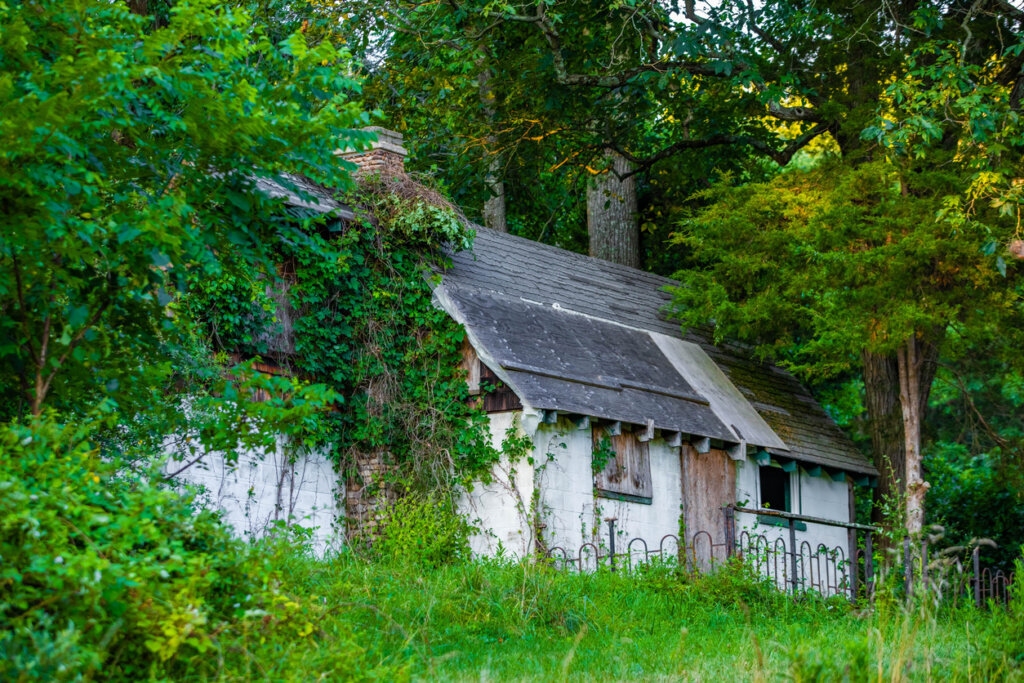
Before diving into the selling process, it’s crucial to understand what constitutes an abandoned property. An abandoned property is a structure that has been left unoccupied by its rightful owner for an extended period. Unlike vacant properties, which may still be owned but simply unoccupied, abandoned properties are often legally in limbo due to lack of ownership or unresolved issues.
Defining Abandoned Property
Abandoned properties are often categorized as those that show clear signs of neglect. These may include:
- Overgrown lawns, unkempt landscaping, and deteriorating exterior conditions.
- Broken windows, boarded-up doors, or any damage indicating no regular maintenance.
- Non-payment of property taxes, utility bills, or HOA dues, which can signal the owner’s abandonment of the property.
Legally, abandoned properties are often identified by their lack of ownership documentation or unresolved claims on the property, such as liens or unpaid taxes.
Why Do Properties Get Abandoned in Daytona Beach?
There are many reasons why a property in Daytona Beach may become abandoned, including:
- Economic Factors: High property taxes, mortgage payments, or maintenance costs can make owning a property financially burdensome.
- Personal Factors: The original owner may have passed away, moved to a nursing home, or relocated without properly selling or maintaining the property.
- Environmental or Natural Causes: Properties damaged by hurricanes or other natural disasters may be abandoned if they are too costly to repair.
Understanding the root cause of abandonment can help you determine the best strategy for selling the property and navigating any potential legal issues.
The Challenges of Selling an Abandoned Property
Selling an abandoned property presents several challenges that you may not encounter with a traditional home sale. These challenges can be legal, financial, or related to the property’s condition. Let’s dive deeper into the common hurdles homeowners face when selling an abandoned property.
Legal Complications
Abandoned properties often come with complex legal issues that need to be resolved before you can sell:
- Title Issues: An abandoned property might have an unclear title, making it difficult to prove ownership and transfer the property legally. If the title hasn’t been updated after the original owner left, you may need to initiate a legal process to clear the title.
- Ownership Verification: If the property’s owner has passed away or is unreachable, it may be difficult to prove ownership. This can cause delays or even prevent you from legally selling the property until the ownership issue is resolved.
- Foreclosure: If the property is in foreclosure, it must go through the legal process before it can be sold. The property may be taken by the bank, and you may need to work out a repayment or settlement plan.
To deepen your understanding of Florida’s foreclosure process, check out this comprehensive guide on Nolo.
Property Condition
The condition of an abandoned property can significantly impact its marketability. Abandoned homes are often in poor physical condition due to neglect or environmental factors:
- Structural Damage: The property may have significant damage to its foundation, roof, plumbing, or electrical systems. Repairing these issues can be costly and time-consuming.
- Squatters and Trespassers: Abandoned properties are frequently occupied by squatters, which can complicate the sale process. Dealing with squatters requires legal intervention and may involve eviction procedures.
- Pests and Mold: Long-term neglect can lead to infestations of pests or the growth of mold, both of which present health hazards and will require remediation before selling the property.
Financial Implications
There are often significant financial hurdles to overcome when selling an abandoned property:
- Back Taxes and Liens: Unpaid property taxes, HOA dues, or even municipal fines can accumulate over time. These financial obligations must be addressed before a sale can take place.
- Maintenance Costs: If you choose to repair or clean up the property, the costs can add up quickly. It’s important to evaluate whether the return on investment (ROI) for these repairs justifies the expense.
How to Prepare an Abandoned Property for Sale
Once you understand the challenges involved in selling an abandoned property, the next step is preparing it for sale. This involves a combination of legal, financial, and physical preparations to ensure that the sale goes smoothly.
Conducting a Property Inspection
Before selling an abandoned property, it’s important to assess its condition. This should be done through a professional property inspection, which will provide a comprehensive assessment of:
- Structural Integrity: Assess the condition of the foundation, roof, and any load-bearing walls. Extensive structural damage may require costly repairs.
- Electrical and Plumbing Systems: Check for issues with the plumbing or electrical wiring. Problems in these areas can be expensive to fix but are essential for a safe sale.
- Health Hazards: Inspect for signs of mold, pests, or other health hazards that need to be addressed before selling.
Addressing Title and Legal Issues
If there are any legal complications, such as unclear title ownership or unpaid taxes, you’ll need to resolve these before proceeding with the sale. This can include:
- Title Search and Clearing: Work with a real estate attorney to perform a title search and clear up any ownership issues.
- Paying Off Liens: If there are liens or outstanding debts on the property, they must be paid off or negotiated before you can transfer ownership.
- Resolving Tax Issues: Contact the county tax office to settle any unpaid property taxes and avoid foreclosure.
Learn more about resolving title defects in Florida to ensure your abandoned property can be sold legally.
Repairing the Property or Selling As-Is
Once the legal and title issues are sorted, you can decide whether to repair the property or sell it “as-is.” If you opt for repairs, a table outlining the pros and cons of each option might look like this:
| Option | Pros | Cons |
|---|---|---|
| Repairing the Property | Potentially higher sale price | High upfront costs and time |
| Selling As-Is | Faster sale, less hassle | May sell for lower price |
If the property is in poor condition and repairs would cost more than it’s worth, selling as-is might be the best option. To learn more about selling your abandoned property as-is and whether it’s the right choice for you, check out this comprehensive guide on Bankrate.
Different Ways to Sell an Abandoned Property
There are several ways to sell an abandoned property in Daytona Beach, each with its own set of pros and cons. Let’s explore the most common methods.
Traditional Sale via Real Estate Agent
Selling an abandoned property through a real estate agent involves listing the property on the MLS (Multiple Listing Service) and marketing it to potential buyers. While this route can yield a higher sale price, it may take longer and involve significant upfront costs.
- Pros: You might achieve a higher sale price compared to selling directly to a cash buyer.
- Cons: It can be a lengthy process, with repair costs and agent commissions adding up.
Selling to Cash Home Buyers
Selling to a cash home buyer can be the quickest and easiest way to offload an abandoned property. Cash buyers will often buy homes in any condition, eliminating the need for repairs or even cleaning.
- Process: The sale process typically involves contacting a cash buyer, scheduling an inspection, receiving an offer, and closing within a few weeks.
- Advantages: Fast closing, no repairs, and fewer hassles. There are also no agent commissions or hidden fees.
Auction or Foreclosure Sale
If you’re looking for a quick sale, you may consider selling the property at an auction or foreclosure sale. This method typically results in a faster transaction, but you may not get the best price for the property.
- Advantages: Quick and efficient, often resulting in an immediate sale.
- Disadvantages: Properties may sell for less than market value, and you may not have control over the buyer or final sale price.
How to Sell an Abandoned Property for Cash in Daytona Beach
What is a Cash Home Buyer?
Cash home buyers are investors or companies that purchase properties for cash, often in any condition. These buyers are typically more interested in speed and convenience than market value, making them a great option for those looking to sell quickly.
- How It Works: Cash buyers assess the property, provide an offer, and close the sale without requiring repairs, inspections, or realtor fees.
- Benefits of Selling for Cash: No commissions, no repairs, and a faster closing process. It’s especially beneficial for properties in poor condition.
The Cash Offer Process
The typical steps for selling to a cash buyer are straightforward:
- Initial Contact: Reach out to a cash home buyer or company and provide details about the property.
- Property Evaluation: The buyer will schedule an inspection of the property to assess its condition and value.
- Receiving the Offer: Based on the evaluation, the buyer will make a cash offer, typically within 24 to 48 hours.
- Closing: Once you accept the offer, the closing process can be completed within a few weeks, with the buyer covering most of the costs.
Common Mistakes to Avoid When Selling an Abandoned Property
While selling an abandoned property, avoid these common mistakes:
- Neglecting Legal and Title Issues: Failing to resolve title issues can lead to delays or a failed sale.
- Underestimating Repair Costs: Don’t assume that repairing everything will yield a higher price—sometimes selling as-is is the better option.
- Not Doing Proper Market Research: Understand the Daytona Beach real estate market to determine whether repairs or selling as-is is the best route.
What Are Your Legal Rights When Selling an Abandoned Property?
Property Ownership
If the property has no clear owner or if you’re the heir to an abandoned property, legal action may be necessary to establish ownership before selling. Consulting with a real estate attorney is crucial.
Disclosures and Liabilities
When selling an abandoned property, you are required to disclose any known issues that could affect the buyer’s safety or property value, including mold, pests, or structural damage.
Frequently Asked Questions (FAQs)
Q. How do I sell an abandoned property in Daytona Beach, FL?
Answer:
To sell an abandoned property in Daytona Beach, you must first resolve any legal or title issues, address the property’s condition, and choose a selling method, such as listing with an agent, selling as-is to a cash buyer, or auctioning.
Q. Can I sell an abandoned property if there are unpaid taxes?
Answer:
Yes, you can sell an abandoned property with unpaid taxes, but they must typically be cleared or negotiated before transferring ownership. Working with a real estate attorney can help resolve these issues.
Q. What happens if there are squatters in my abandoned property?
Answer:
If squatters occupy the property, you’ll need to go through the legal process of eviction before selling. Ensure you follow the proper legal procedures to avoid complications during the sale.
Q. Is it better to repair or sell my abandoned property as-is?
Answer:
If the property is in poor condition, selling as-is to a cash buyer may be the best option for a quicker, hassle-free sale. However, if repairs are minor and cost-effective, fixing it up may lead to a higher selling price.
Q. How long does it take to sell an abandoned property in Daytona Beach?
Answer:
The timeline for selling an abandoned property can vary. If selling to a cash buyer, it could take as little as two weeks. A traditional sale may take several months, depending on repairs and market conditions.
Q. Do I need a real estate agent to sell my abandoned property?
Answer:
You don’t need a real estate agent to sell an abandoned property. Selling to a cash buyer or auctioning the property can bypass agent commissions, making the process quicker and more cost-effective.
Conclusion
Selling an abandoned property in Daytona Beach, FL, can be a challenging yet rewarding process. Whether you decide to repair and sell traditionally or sell to a cash buyer, understanding the legal, financial, and physical aspects of the property will help you make the best decision.
At Buying Volusia Homes, we specialize in helping homeowners navigate the complexities of selling abandoned properties. Our team can assist with resolving title or legal issues, assess the property’s condition, and provide a fair cash offer to close quickly and hassle-free.
With the right approach and expert guidance from Buying Volusia Homes, you can turn an abandoned property into a successful sale and move forward with confidence.