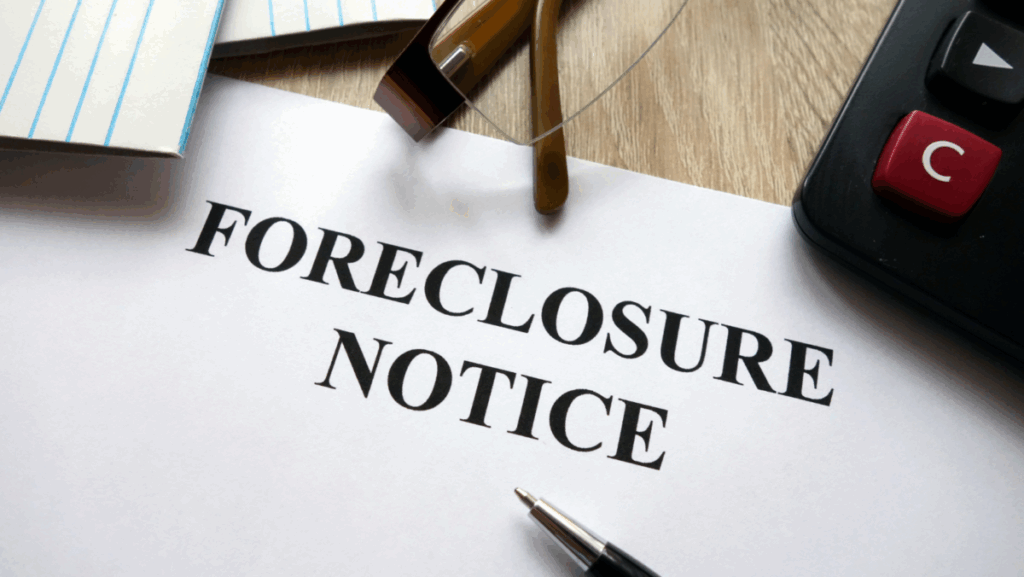
Receiving a foreclosure “Notice of Default” (NOD) can feel overwhelming — especially when you’re not sure what to do next. But it’s important to understand: a NOD is not the same as losing your home. Rather, it’s a formal warning from your lender that you’ve fallen behind on your mortgage payments, and that foreclosure proceedings may begin if the situation isn’t addressed.
If you act quickly and understand your options, you may be able to avoid foreclosure entirely — or at least minimize its impact. This article explains what a Notice of Default means in Florida (especially in Volusia County), walks through the foreclosure timeline, and outlines possible actions to protect your home — including selling for cash, loan modification, refinancing, or legal defense.
What Is a Foreclosure Notice of Default?
Definition and Explanation
A Notice of Default (NOD) is a formal notification from your lender stating you are in default on your mortgage loan. This typically happens after you’ve missed multiple payments.
The NOD serves as a first official step in the foreclosure process, alerting you that your mortgage is delinquent and you have a chance to correct (or “cure”) the default.
Importantly: receiving a NOD doesn’t mean your home is immediately lost. In Florida, foreclosure is a judicial process — the lender must file a lawsuit in court before your home can be sold. That means you have a window of time to act.
How It Fits in the Foreclosure Process
Here’s a simplified view of the typical foreclosure process in Florida:
- Early missed payments → loan becomes delinquent
- Lender issues Notice of Default (after multiple missed payments)
- Pre-foreclosure period — a chance to catch up on payments or negotiate alternatives
- If default isn’t cured → lender files a foreclosure lawsuit (complaint + lis pendens)
- Court proceedings → possible summary judgment or settlement
- Foreclosure sale (public auction)
- Post-sale: eviction of homeowners if property not vacated; possible deficiency judgments
Because Florida is a judicial foreclosure state, this process often takes months — giving homeowners a meaningful chance to respond. For a detailed explanation of Florida’s foreclosure laws and procedures, visit Nolo’s guide to Florida foreclosure laws and procedures.
Why Did You Receive a Foreclosure Notice of Default?
Common Reasons for Default
You may receive a NOD for reasons such as:
- Missing or delaying multiple mortgage payments.
- Financial hardship: job loss, medical bills, unexpected expenses, divorce, or other emergencies.
- Changes in income or inability to keep up with payment terms (e.g., adjustable rates, rising interest).
- Lack of communication with lender (e.g., not responding to late‑payment notices).
How Lenders Notify Homeowners in Florida
In Florida, lenders generally issue a notice when the borrower has failed to make timely payments — often after two or three missed payments.
The notice must comply with the mortgage contract and Florida statutes; it usually sets forth the amount owed (missed payments + late fees + penalties) and provides a deadline by which the borrower can cure the default.
Lenders often send NODs via certified mail to ensure there is proof of delivery.
Your Options After Receiving a Foreclosure Notice of Default
If you’ve received a NOD in Volusia County, here are the main options you can explore — depending on your circumstances.
1. Respond to the Notice — Contact Your Lender
- Why this matters: Ignoring the notice is one of the worst things you can do. A NOD is a warning — failure to respond often leads to a lawsuit.
- What you can do: Reach out to the lender as soon as possible. Explain your situation, and ask what you can do to cure the default. This might include arranging a repayment plan or applying for loss‑mitigation options (see below).
Often, lenders are more willing to negotiate if you show that you want to fix the default rather than ignore it.
2. Seek Legal Counsel
Because foreclosure in Florida is a judicial process, receiving a NOD doesn’t automatically mean the lender can take your home. There are legal rights and procedures that must be followed.
A foreclosure/defense attorney can:
- Review the NOD and mortgage documents for compliance (e.g., was the notice properly delivered; were fees correctly assessed).
- Help you file a response to the foreclosure complaint if/when it’s made.
- Explore possible defenses — such as lender errors, procedural mistakes, or violations of servicing laws.
- Negotiate alternatives: loan modification, short sale, deed in lieu, or other loss‑mitigation solutions.
Legal advice is especially important if you suspect the lender or servicer isn’t handling the foreclosure properly.
3. Refinancing Your Mortgage
Refinancing can sometimes be an option — depending on your credit, home equity, and financial circumstances. Refinancing may allow you to:
- Lower your monthly payment.
- Extend the loan term.
- Get a lower interest rate.
However, qualifying for refinancing while in default may be challenging. It’s usually more viable if you still have reasonable credit and equity in your home. For detailed information on refinancing options and how to choose the best type of refinance for your situation, check out Bankrate’s guide to refinancing.
4. Loan Modification / Loss Mitigation Programs
One of the most common ways to avoid foreclosure is a loan modification or other loss‑mitigation option. Under federal and state laws, servicers are required to notify borrowers of loss-mitigation options (when delinquent) and offer a fair chance to apply.
Common options:
- Reduction in interest rate
- Extension of loan term
- Temporary forbearance or payment plan
- Reinstatement (paying back backlog in installments)
Applying early and providing timely documentation can increase your chances of getting approved.
5. Sell Your Home Quickly — “Cash Sale” or Short Sale
If saving the home isn’t feasible — for example, due to large back payments, financial hardship, or lack of income — another practical option is to sell your house quickly.
Benefits of a quick/cash sale in this situation:
- You avoid the stress and uncertainty of a foreclosure auction.
- You may prevent or limit damage to your credit compared to foreclosure.
- You walk away from the property in a controlled, predictable transaction — rather than risk losing it in an auction, where outcomes are uncertain.
Given that many homeowners facing foreclosure often want a fast, hassle-free exit, selling their home for cash tends to be one of the most appealing alternatives to How to Stop the Bank from Foreclosing on Your Volusia County, FL House.
6. Deed in Lieu of Foreclosure
A deed in lieu of foreclosure means you voluntarily transfer the deed (title) of the property to the lender — in exchange for cancellation of most or all of the mortgage debt.
This can be less damaging to your credit than a foreclosure, and may allow you to avoid court, litigation, and eviction. It’s usually considered when refinancing, sale, or modification aren’t feasible.
7. Bankruptcy (Last Resort)
Filing for bankruptcy (e.g., Chapter 13) can temporarily halt foreclosure proceedings — thanks to the “automatic stay.” Some homeowners use this as a last‑resort effort to buy time.
That said, bankruptcy comes with serious long-term financial and credit consequences. Before considering it, you should consult with a qualified bankruptcy or foreclosure attorney.
What Happens If You Do Nothing
Ignoring a Notice of Default is risky. Here’s a breakdown of what may happen if you take no action:
- The lender may file a foreclosure lawsuit (complaint + lis pendens). Once filed, the judicial process begins.
- If you don’t respond to the lawsuit, the court may issue a default judgment, allowing the lender to foreclose unchallenged.
- The property will be scheduled for a foreclosure sale (auction). If the home sells, the borrower loses ownership.
- After sale: eviction proceedings if you don’t vacate — plus potential deficiency judgments (if the sale price is less than what you owe).
- Long‑term consequences: damaged credit, difficulties obtaining future loans, and possible personal liability for debt.
How to Avoid Foreclosure in Volusia County, FL — Practical Steps
If you receive a NOD, here’s a practical checklist of steps you can take — ideally immediately:
- Read the notice carefully. Note the amount owed, due date to cure default, and any contact information.
- Contact your lender — ASAP. Explain your situation. Ask about payment plans, loss‑mitigation, or whether they’ll accept a short sale or deed in lieu.
- Gather financial documents. Pay stubs, bank statements, hardship letters — everything that proves your financial situation.
- Explore loan modification or refinancing. See if you qualify for more manageable payments.
- If saving the home isn’t feasible – consider selling fast for cash or a short sale. This may protect your credit more than foreclosure.
- If you want to fight — consider legal counsel. An experienced foreclosure attorney can inspect whether the lender followed correct procedures and can help you respond to a complaint.
- Avoid ignoring the notice. Even if you think you can’t save the home — being proactive preserves options (e.g. short sale, deed in lieu, bankruptcy) and prevents automatic default.
Foreclosure Process Timeline in Florida
| Step | Typical Timeframe* | What Happens / What It Means |
|---|---|---|
| Missed payments / delinquency | – | Your loan becomes delinquent after missed payments; lender may start communication. |
| Notice of Default (NOD) sent | Usually after 2–3 missed payments (or ~ 30–90 days delinquent) | You officially have defaulted; lender notifies you and demands cure. |
| Pre‑foreclosure / cure period | Often 30 days (or as per mortgage agreement); sometimes more | You can catch up payments, negotiate, or explore alternatives. |
| Foreclosure lawsuit filed (lis pendens + complaint) | If default isn’t cured | Court action begins; you get a chance to respond. |
| Court process and judgment | Varies — depending on response, court backlog, any defenses | Lender may get summary judgment; case proceeds to sale. |
| Foreclosure sale / auction | After judgment, date set by court | Property sold to highest bidder; homeowner loses title if not redeemed. |
| Post‑sale: eviction / deficiency judgments | After sale (if you don’t vacate) | You may be evicted, and possibly liable for any shortfall. |
* Timeframes are approximate — actual timing depends on the lender, court, and your responsiveness.
Why Selling Your House for Cash Might Be the Smartest Choice
For many homeowners in Volusia County who receive a NOD — especially those facing financial hardship, uncertain income, or needing fast resolution — a cash sale can be the most practical and stress-free option. Here’s why:
- Speed & Certainty: A cash sale can often close in days or weeks — far faster than a drawn-out court foreclosure process.
- No Repairs or Renovations Required: Cash buyers often purchase “as-is,” meaning homeowners don’t need to invest more money into repairs.
- Avoid Auction Risk & Uncertainty: Foreclosure auctions are unpredictable — you may end up with zero proceeds, or still owe a deficiency. Cash sale offers a predictable clean exit.
- Less Credit Damage (Potentially): While any default will affect credit, a sale — instead of a full foreclosure — may be easier to explain and recover from.
- Peace of Mind: Avoid prolonged legal stress, eviction uncertainty, and public auction process.
Given these advantages, many homeowners facing foreclosure choose cash-sale investors to regain control of their finances and move on quickly with dignity.
FAQs — Common Questions About Foreclosure & NOD in Volusia County
Q1: Does getting a Notice of Default mean I’ve lost my home?
A: No. A NOD is a warning — the foreclosure process in Florida is judicial. As long as you respond, you usually have time to correct the default, negotiate, sell the home, or explore other options.
Q2: How long does the foreclosure process take in Florida?
A: It varies. Because Florida requires a court process, many foreclosures take months — sometimes more than a year from NOD to sale — giving homeowners a fairly wide window to act.
Q3: Can I stop foreclosure after the NOD?
A: Yes — if you act quickly. Possible routes: catch up on payments, negotiate loan modification, refinance, short sale, deed in lieu, or even bankruptcy (as a last resort). Legal defense is also possible if the lender made errors.
Q4: Will selling my house for cash after receiving a NOD help me avoid foreclosure?
A: Yes — a cash sale completed before court judgment or auction is one of the most effective ways to avoid full foreclosure, eviction, and deficiency judgments. It offers speed and certainty.
Q5: What happens if I ignore the notice and do nothing?
A: If you do nothing, the lender will likely file a foreclosure lawsuit, secure a judgment, schedule a sale, and eventually you’ll lose your home — possibly remain liable for any unpaid balance, and suffer severe credit damage.
Conclusion — Act Fast and Choose What’s Best for You
Receiving a foreclosure Notice of Default in Volusia County, FL doesn’t automatically mean you’re going to lose your home. Because Florida’s foreclosure process is judicial, you have legal rights and — importantly — time to respond.
Your next steps can make all the difference. Whether you choose to negotiate with your lender, apply for loan modification, refinance, sell your home quickly for cash, or seek legal help — taking action early preserves your ability to choose the outcome.
For many homeowners facing hardship or uncertainty, a cash sale offers a realistic path: a fast, clean exit — without the stress and unpredictability of foreclosure.
If you’re feeling overwhelmed, Buying Volusia Homes is here to help. Start by contacting us, gathering your financial documents, and exploring all available options. It might just save your home — or at least minimize the negative impact and help you move on with dignity.